Oriental Astrology: Chinese, Tibetan, Japanese, Mongolian
The astrology of China, Tibet, Japan and Mongolia, from the I Ching and BaZi to Qi Men Dun Jia, Flying Stars, Da Liu Ren and Nine Star Ki, alongside your Western charts.
The Oriental edition brings the astrology of China, Tibet, Japan and Mongolia into the same program as your Western and Vedic charts. This edition includes the I Ching, with its correspondences to the Western chart, its charts and its progressions; Chinese astrology, with the pillars of destiny (BaZi), Zi Wei Dou Shu and its interpretations, Qi Men Dun Jia, Xuan Kong Flying Stars, Da Liu Ren, the Zi Bai nine stars with the Ming Gua, the solar terms and the hsius; Tibetan astrology, with the forces, the mewas, the parkhas and the Tibetan mansions; the Sanmeigaku chart, Nine Star Ki and the Lo Shu projections of Japan; and Buddha's wheel of Mongolia. You can calculate all of them from the same birth data as the Western chart. Oriental is a standalone edition, and it is also included in Pro and Financial Gold.
I Ching
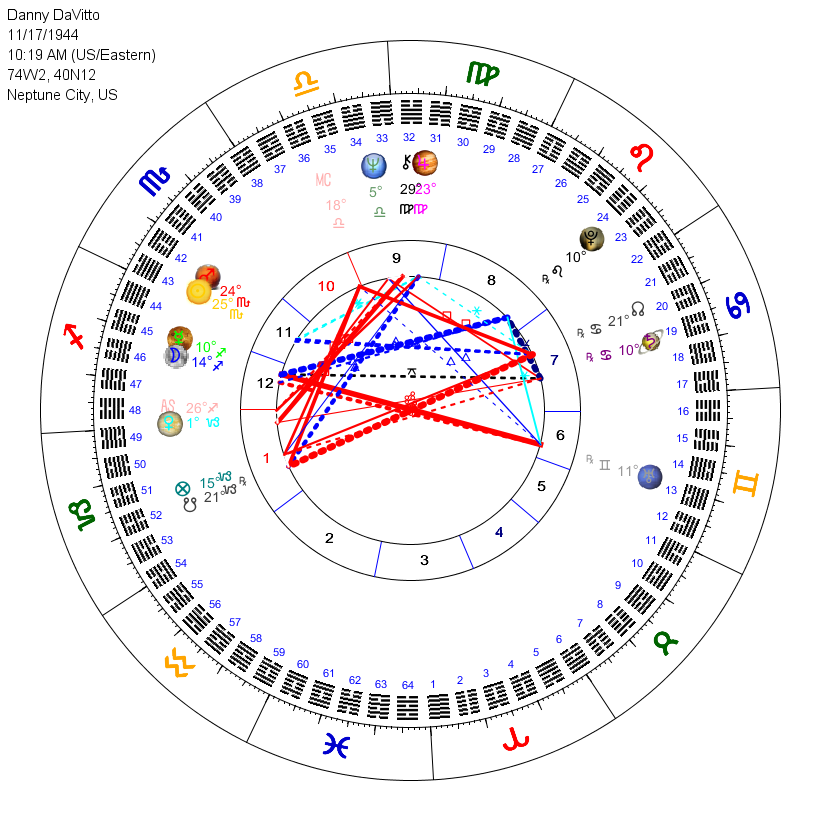
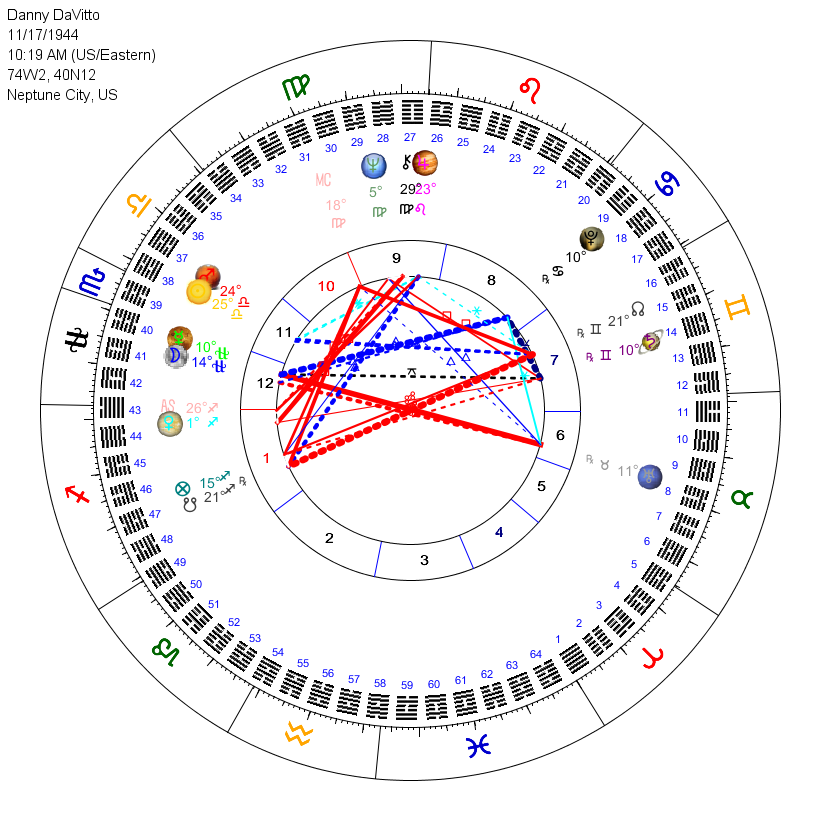
The I Ching tools relate the 64 hexagrams to the Western chart. You can change the correspondences between the hexagrams and the planets, houses, signs and degree ranges. The I Ching charts include:
- the I Ching zodiac, with the hexagrams as glyphs or as pictograms around the wheel
- the I Ching anchored zodiac
- I Ching progressions
- the I Ching and 13 Signs zodiac, with the hexagrams around the 13 signs
Chinese Astrology
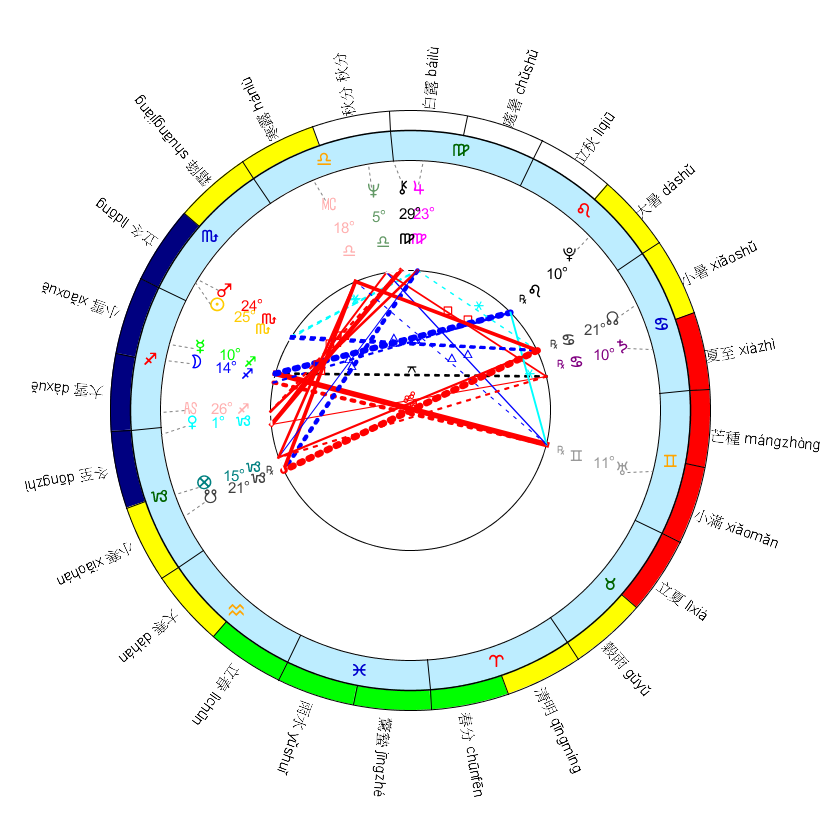
AstroApp calculates six systems of Chinese astrology, each with its own tables and charts:
- the pillars of destiny (BaZi): the four pillars of the year, month, day and hour with the Ten Gods, the hidden stems, the Na Yin, the life stages and the symbolic stars; the 10 luck pillars, the small luck and the annual pillars; and an analysis of the Day Master, with its strength, its useful and favorable elements, and the combinations, clashes and punishments in the chart
- Zi Wei Dou Shu, purple star astrology: the traditional Zi Wei chart, the star magnitudes, and the interpretations of Y. M. Lim
- Qi Men Dun Jia: the energy grid (plate) of the hour, with the nine palaces, the stems of the Heaven and Earth charts, the Nine Stars, the Eight Doors and the Eight Deities, the Ju, and the Chief star and Chief door
- Xuan Kong Flying Stars, the Feng Shui of time: the star chart of a building from its facing direction and its period, with the mountain, facing and period stars in the nine palaces, the stars of the year, the month, the day and the hour, the classical formations, the castle gate and the Seven Star Robbery, a reading for each pair of mountain and facing stars, and remedies palace by palace
- Da Liu Ren, the Six Ren: the Heaven and Earth charts (plates) of the moment with the Twelve Heavenly Generals, the Four Lessons and the Three Transmissions found by the Nine Methods, the lesson type, the hidden stems and the relation of each transmission to the day, the symbolic stars, the named lesson patterns of the classical canon, and a reading of the chart
- the Zi Bai nine stars of the Chinese almanac: the year, month, day and hour stars of a birth, the Ming Gua with its East or West group and its eight directions of Eight Mansions feng shui, the star charts of any year, month, day or hour with the Grand Duke, the Three Killings, the Five Yellow and the Two Black marked, the Ming Gua match between two people, and an interpretation report
- the solar terms chart, and the Di Zhi table of the earthly branches and hours
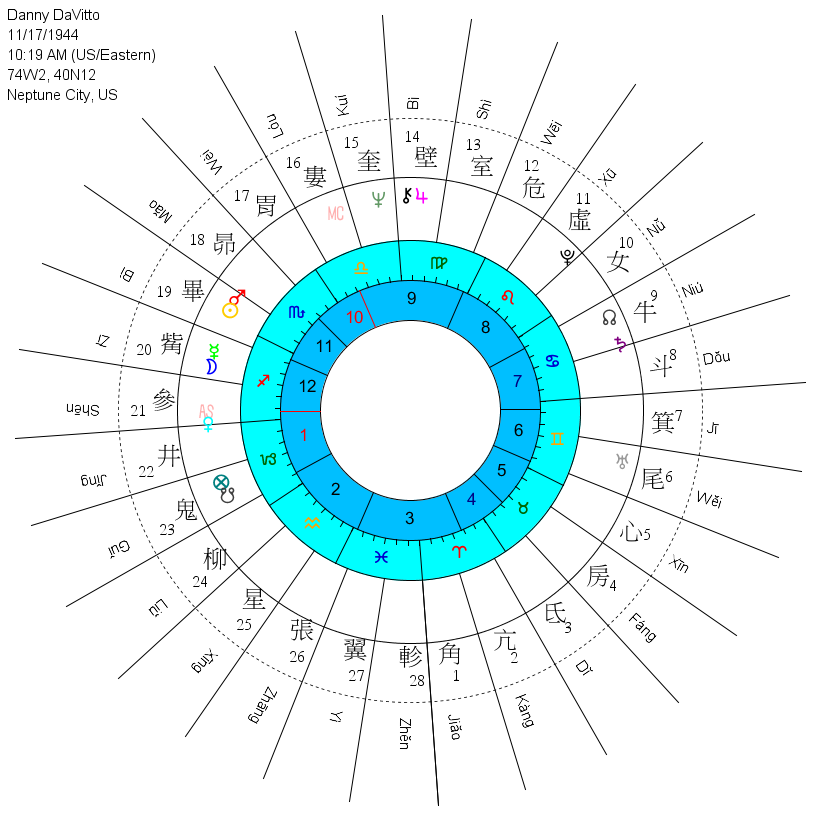
- the Chinese hsius, the 28 lunar lodges, with four methods: Chinese actual and notional, and Tibetan equal and sidereal
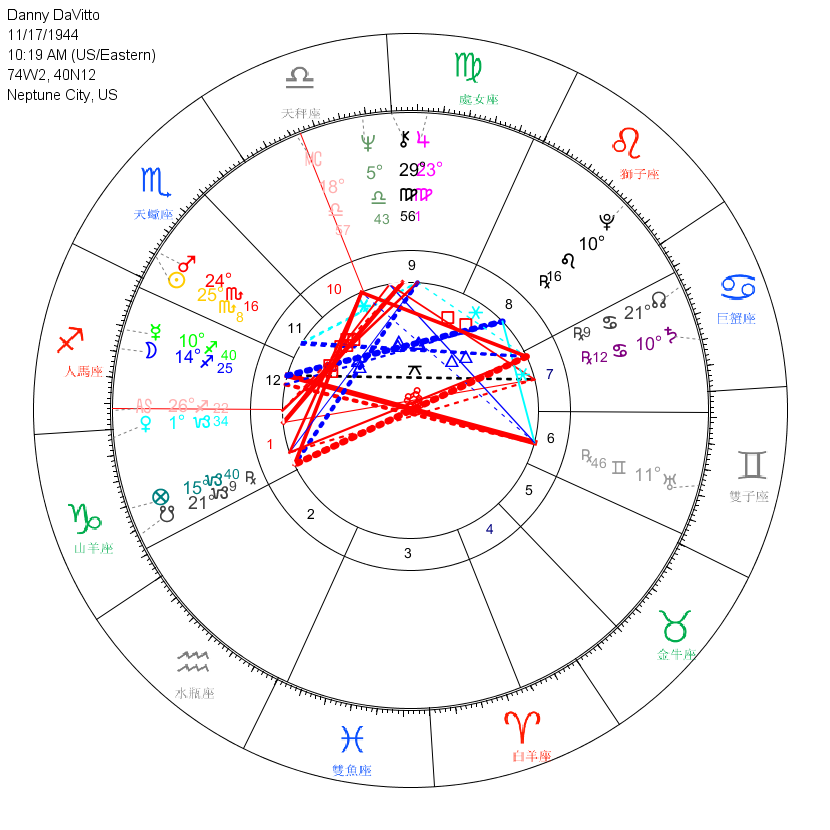
- the Chinese chart styles: the Western zodiac in Chinese, the I Ching wheel, and the notional hsius wheel
Tibetan Astrology
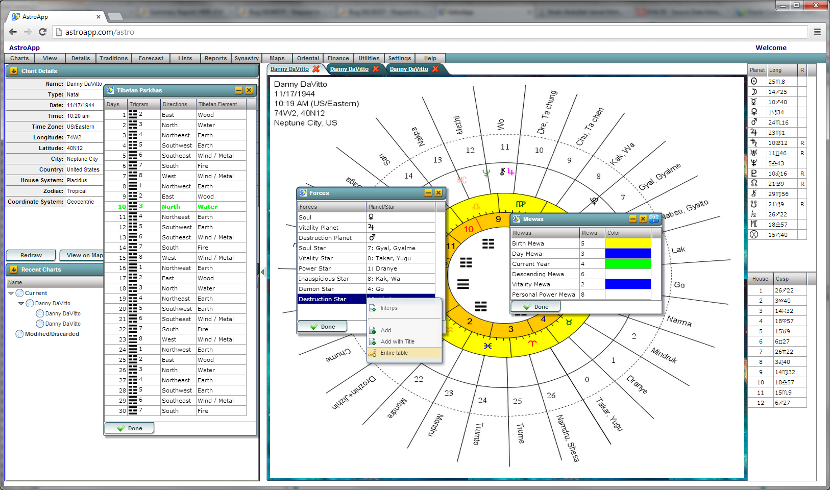
Tibetan astrology features include the star and planetary forces, the parkhas for days and years, the mewas, and the Tibetan lunar mansions, the gyukars, with their own chart style and interpretations.
The Tibetan calendar shows the date of a chart in the Phugpa calendar of the Tibetan almanacs: the lunar day, month and year with the leap months and the skipped and repeated days, Losar and the great festivals, the five components of the almanac, and the elements, trigram and number of the year, the month and the day. AstroApp counts the forces, parkhas and mewas from this calendar, so each year begins at Losar.
Japanese Astrology
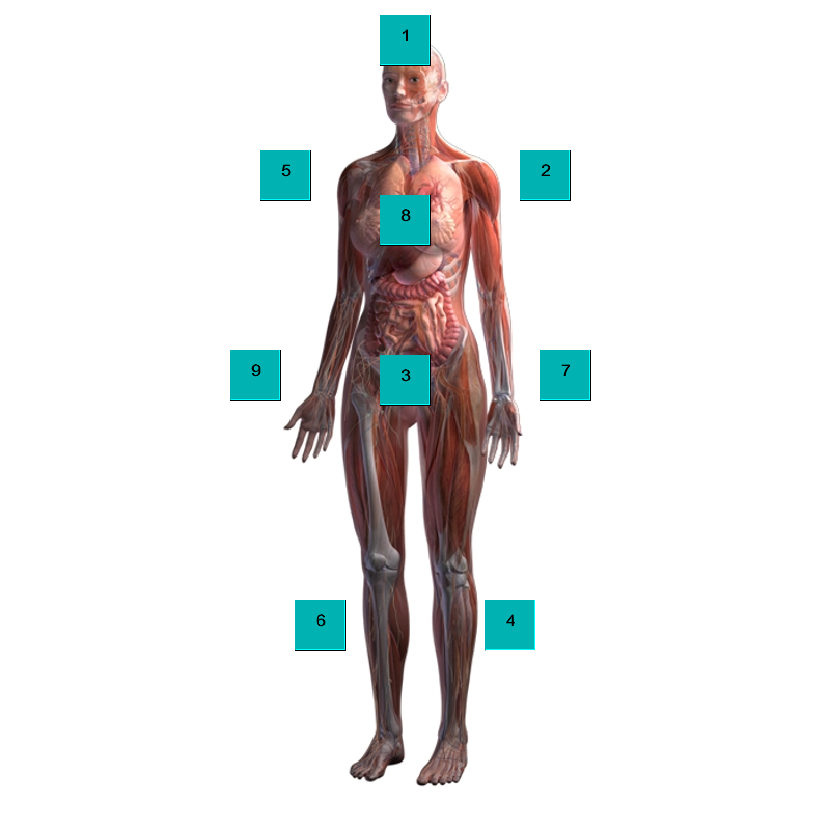
The Sanmeigaku chart, the primary chart of the Japanese tradition, comes with its rest periods, aspects and brief interpretations, and a report for its houses. Nine Star Ki, the Kyusei Kigaku of Japan, gives the year, month and day stars of a birth and the inclination palace; the planetary layouts of any year, month or day with your unlucky directions (the Five Yellow, the Dark Sword, the Breakers and your own star) and your lucky and best directions for a move or a journey; the palace your star visits in each of the next 10 years and 12 months; the compatibility of the nine stars with a partner; and an interpretation report. The anatomical Lo Shu projections, male and female, apply the Lo Shu chart to the human body, while the medical Lo Shu transits apply it to time periods.
Mongolian Astrology
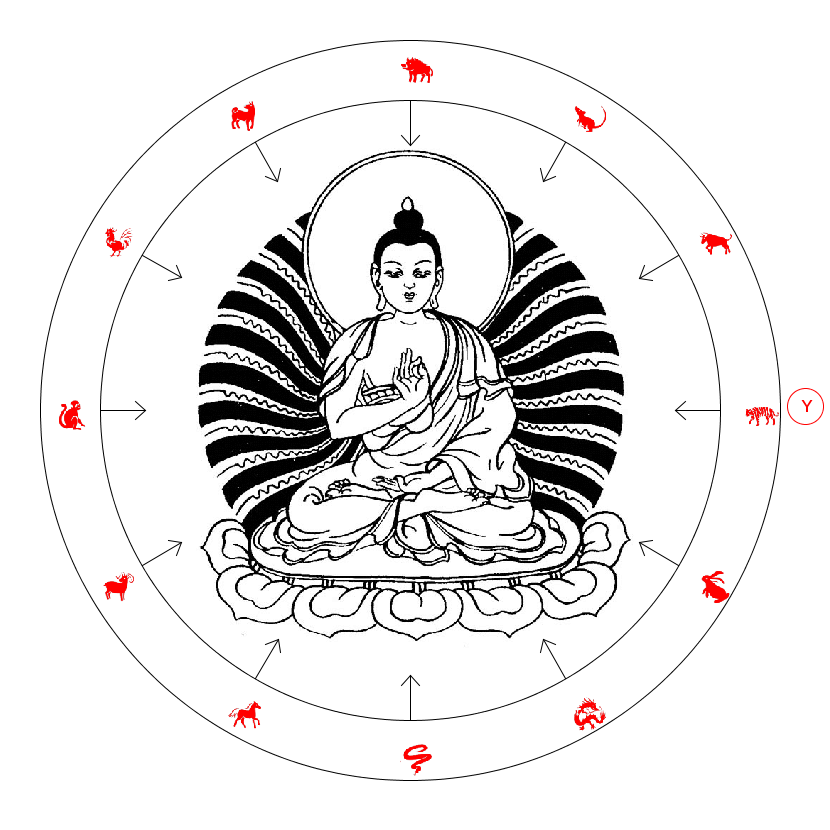
The Zurkhai tradition of Mongolia is represented by Buddha's wheel, available in two color schemes, along with its interpretations.
Settings and the Planetarium
In the Oriental Settings you can change the correspondences between the I Ching and the zodiac, the houses, the planets and the degrees. You can also adjust the colors of the Chinese elements. The 3D Planetarium contains nine sets of constellations, corresponding to various astronomical and astrological traditions of the world. One of those sets shows the sky with the traditional Chinese constellation figures.
Frequently Asked Questions
Which Chinese systems can I use?
You can use the pillars of destiny, as a full BaZi chart with the luck pillars and the Day Master analysis, Zi Wei Dou Shu, the Qi Men Dun Jia chart, the Xuan Kong Flying Stars chart, the Da Liu Ren lessons and the Zi Bai nine stars with the Ming Gua, with the solar terms, the earthly branches table and the 28 hsius with four methods.
Does the BaZi chart show the Ten Gods and the luck pillars?
Yes. Every stem, including the hidden stems, shows its Ten God, and the 10 luck pillars come with the age and date each one begins, along with the small luck of childhood and the annual pillars.
Can I calculate a Qi Men Dun Jia chart for the present moment?
Yes. Open a chart for the current date, time and place, and the Qi Men chart shows the nine palaces of that two-hour period, with the Ju, the stars, the doors and the deities, as a square with south at the top or as a list you can export to Excel.
Can I calculate a Flying Stars chart for my home?
Yes. Open a chart for the date the house was built, or the date you moved in, enter the direction the front of the house faces, and the star chart shows the nine palaces with their mountain, facing and period stars, the stars of the current year, month, day and hour, a reading for each palace, and remedies for the sectors that need them.
Is Da Liu Ren included?
Yes. Open a chart for the moment of the question, and the Da Liu Ren window shows the Heaven and Earth charts with the Twelve Heavenly Generals, the Four Lessons, the Three Transmissions with their hidden stems and their relation to the day, and the lesson type, as a square with south at the top or as a list you can export to Excel. You also get the symbolic stars and a reading: the lesson patterns the chart forms, and the meaning of each transmission, its General and its stars.
Does AstroApp calculate Nine Star Ki?
Yes, in both traditions. The Japanese Nine Star Ki gives your year and month stars, your inclination palace, your lucky and unlucky directions for any year, month or day, and the theme of each year of the nine-year cycle. The Chinese Zi Bai reading gives your stars and your Ming Gua with its eight directions, and marks the almanac's directions for the year. Each comes with a compatibility view and an interpretation report.
Does Zi Wei Dou Shu come with interpretations?
Yes. The Zi Wei chart comes with Y. M. Lim's interpretations and the star magnitudes.
Can I change the I Ching correspondences?
Yes. You can change the assignment of hexagrams to the signs, houses, planets and degrees in the oriental settings.
Does AstroApp calculate the Tibetan calendar?
Yes. AstroApp gives the date of any chart in the Phugpa calendar that the Men-Tsee-Khang almanacs use, with the leap months, the skipped and repeated days and the date of Losar.
Which edition includes Oriental Astrology?
The Oriental edition, which is also included in Pro and Financial Gold.
See Also
- Chart Wheel Styles, for the oriental chart styles
- 13 Signs Zodiac, for the I Ching and 13 Signs charts
- Medical Astrology and 3D Planetarium